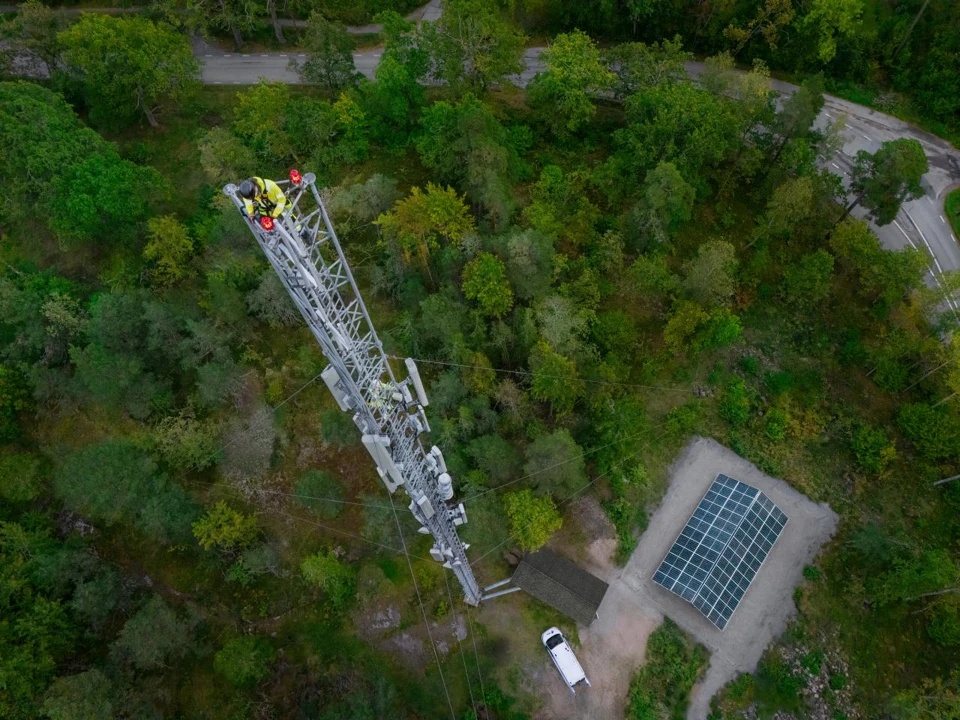
Telia, Nokia and QMill test quantum-powered encryption in a 5G network
Telecommunications photograph: Telia.Telia Finland, Nokia and QMill have demonstrated a method that combines standard post-quantum cryptography with quantum-computer-powered key exchange in a 5G network testbed. The proof of concept integrated QMill's method into Nokia base station software and ran on commercial equipment in Telia's 5G innovation environment.
The demonstration protected a connection between a base station and the network's security gateway, which guards traffic headed to the operator's core network. It combines ML-KEM, a standard post-quantum algorithm, with a second key-exchange method from QMill that uses quantum computation. Nokia describes QMill's method as a potential complement to existing post-quantum cryptography standards.
QMill also supplies quantum-generated random numbers to seed the key exchange. The partners say users can verify those numbers using classical computing, rather than simply trusting the device that generated them. The numbers are fetched through QMill Cloud, which coordinates the quantum computations.
Nokia says the partners took the method from a concept to an integrated base station demonstration in less than 90 days. The test builds on Telia and QMill's earlier mobile-message encryption work announced in May 2026; this demonstration adds integration with Nokia's 5G base station software and the connection to a network security gateway.
Nokia's technical paper says quantum-safe authentication was outside the proof of concept's scope. It also says cryptanalysis of QMill's new method is planned, so the method's security merits still need that assessment. The trial used the hybrid approach alongside ML-KEM rather than relying on the new method alone.
The companies are now exploring concrete applications in security-sensitive sectors on the path to commercialisation. The work shows a proof of concept in an operator testbed, rather than a network-wide commercial rollout.
Sources: Telia announcement and Nokia technical paper. Source date follows the issuer release distributed on 17 November 2026. The testbed demonstration is not a commercial network-wide rollout or an independent security assessment.
Additional reporting
Proof of concept in Telia's 5G innovation environment, using Nokia base station software and commercial equipment.
IPsec link between the 5G base station and a security gateway towards the core network.
Standard ML-KEM combined with QMill's quantum-computer-aided QA-KEM method.
Quantum-safe authentication was outside the trial; cryptanalysis of QMill's new method is planned.
Explore concrete use cases in security-sensitive sectors on the path to commercialisation.