Tumbleweed raises €6.9 million for modular orbital laboratories
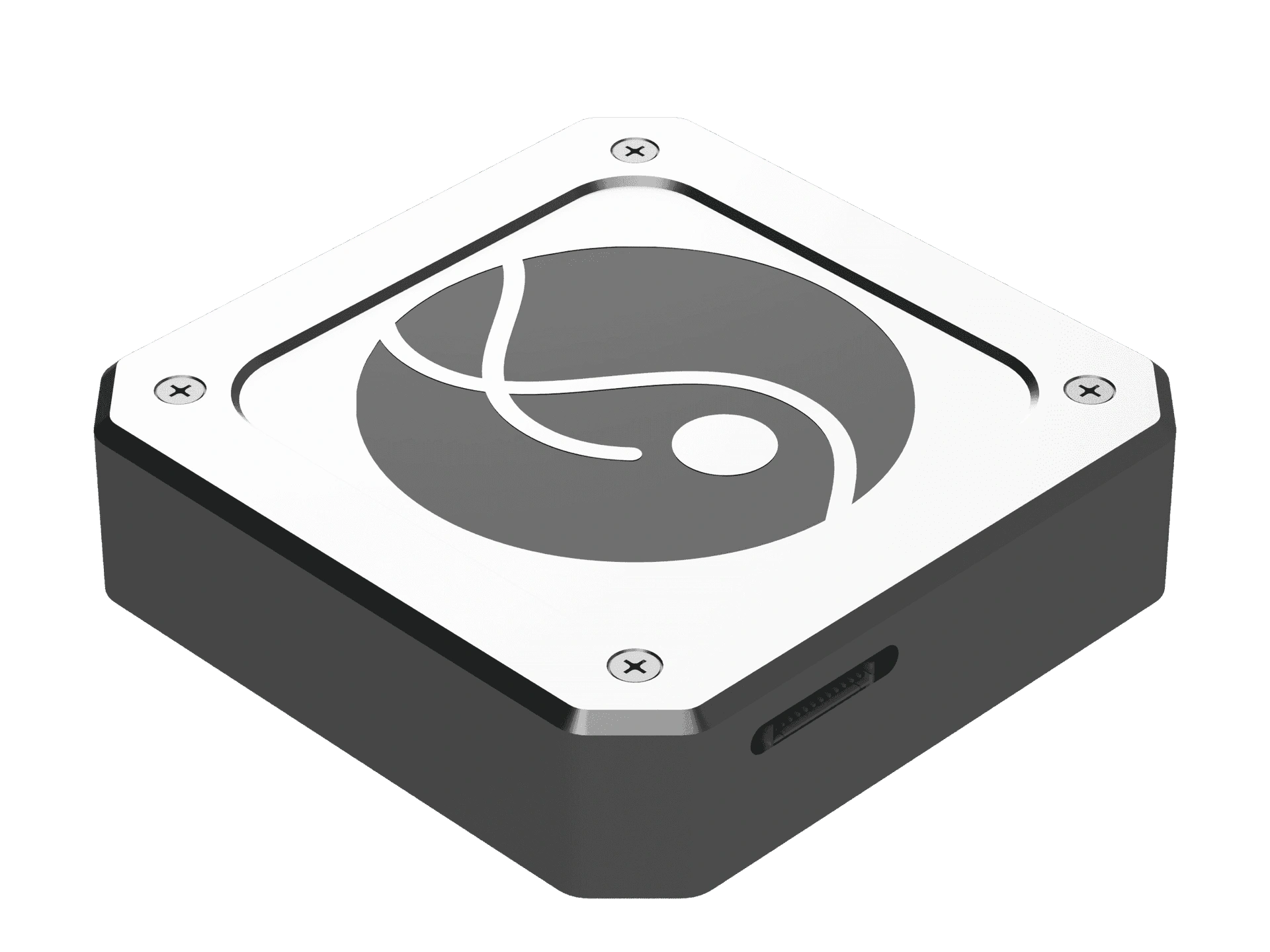
Official Tumbleweed Pod product graphic. Illustration of the modular experiment container, not an in-orbit photograph; no people pictured.Builds modular laboratory containers called Pods that supply power, data and mission support for experiments in orbit. Researchers install their equipment in a Pod instead of designing a whole satellite. Microgravity is the near-weightless environment of orbit, useful for studying materials and biological processes. Tech.eu reported a €6.9 million seed round on November 3, led by PactVC with Vanagon Ventures, early backer Prototype Capital, EWOR and other international investors and angels. This is an investment round, not a grant or a launch contract.
DTT summary based on Tech.eu's report. The full article is on the publisher's site.
Additional reporting
Tech.eu reported a €6.9 million seed round on November 3, led by PactVC with Vanagon Ventures, early backer Prototype Capital, EWOR and other international investors and angels. This is an investment round, not a grant or a launch contract.
Fault-isolated Pods provide power, data connectivity and experiment infrastructure aboard the free-flying Oasis platform. Customers validate their equipment on Earth before launch and operate experiments remotely in orbit. Fault isolation is intended to stop a problem in one payload from disrupting other experiments.
Oasis Alpha launched on July 7, 2026 aboard SpaceX Transporter-17 with experiments for four customers, according to the company interview. That July launch is history, not a new November mission.
Materials science and protein-synthesis experiments flew on the first mission. Medical, biotech and agritech experiments are planned for later missions. Potential drug-development benefits are research aims, not proven medicines or certified treatments.
The company offers an end-to-end Pod service including development support, launch and operations. Its own site advertises entry research access from €15,000; mission scope and payload needs affect costs, so this is not a universal experiment price.
The proceeds support three planned missions in 2027 with more than ten customers expected across them. Oasis Beta is scheduled for 2028 and intended to return physical samples to Earth. Re-entry capability is under development, not demonstrated by Oasis Alpha.
CEO and co-founder Julian Rothenbuchner leads a team reported at 25 people. More than one-third of employees have invested their own funds across company rounds; this is not extra capital to add on top of the €6.9 million.
Fund the three 2027 missions, broaden access to orbital research and accelerate development of the larger, return-capable Oasis Beta platform.